
About Lori
The Lori Province of the Republic of Armenia is the third largest by area in the republic. It is located in the north of the republic, bordering the Republic of Georgia (110 km long), to the west with Shirak, to the east with Tavush, and to the south with Kotayk and Aragatsotn provinces. A section of the Tbilisi-Yerevan railway passes through the province’s territory.
The city of Vanadzor, which serves as the provincial administrative center, is considered Armenia’s third largest city. Other major settlements include Alaverdi, Stepanavan, Spitak, Tumanyan, Akhtala, and Tashir.

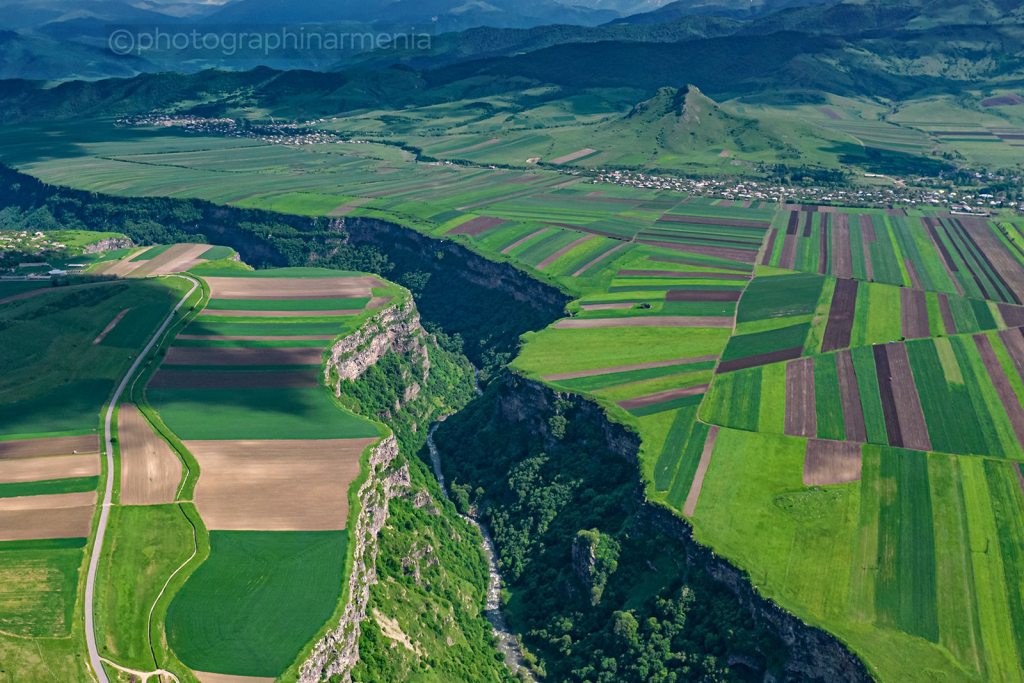
Lori is also notable for its rich cultural heritage and historical past, evidenced by dozens of monasteries, fortresses, citadels, and monuments. The diversity of unique historical and cultural monuments is partly due to the fact that in the 10th-12th centuries, an independent Armenian state existed here in the form of the Kingdom of Lori or Tashir-Dzoraget. Two of Armenia’s UNESCO World Heritage List sites the medieval monastic complexes of Haghpat and Sanahin are located in Lori Province.
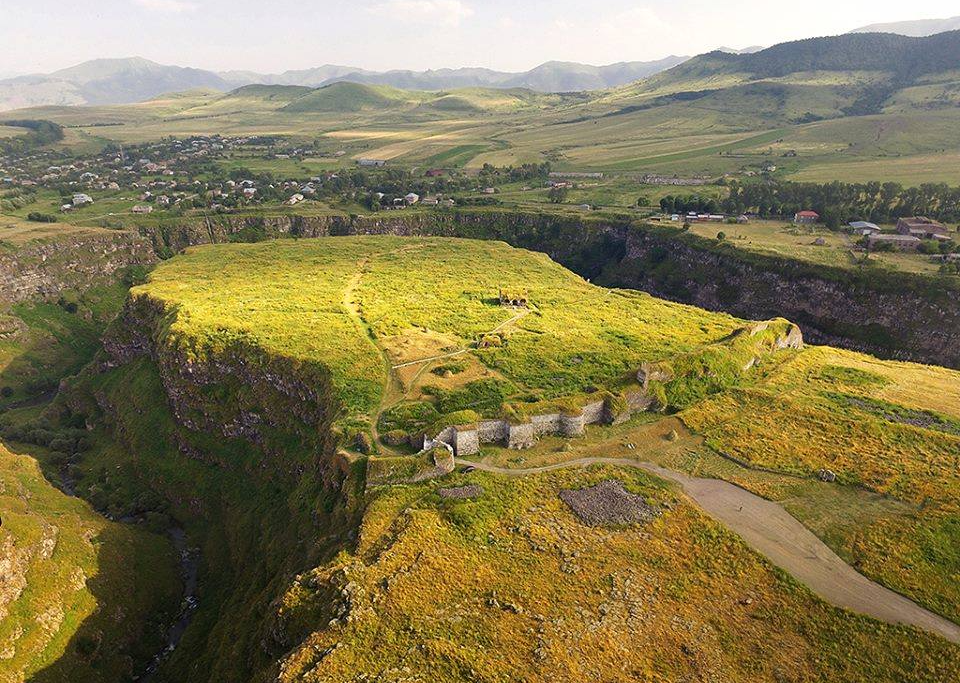
The name “Lori” is first mentioned in the 11th century and may be connected with the name of the lor bird. In that year, King David I Anhoghin Kyurikian, who ruled in northern Armenia, founded the fortress of Lori or Lore at the intersection of the Dzoraget and Urut gorges, which in 1065 became the capital-residence of the Kingdom of Tashir-Dzoraget, which had gained independence from the Bagratid Kingdom of Ani. After the fortress’s name, the kingdom is sometimes also called the Kingdom of Lori.

Lori Province is notable for its relatively humid climate. In the middle and highland zones, the climate is temperate mountainous, characterized by prolonged, cold winters. Summers are warm and relatively humid. In the foothill zone, the climate is subtropical, characterized by moderately hot and dry summers and mild winters.


